
Common U.S. Coast Guard Port State Control Findings
The US Coast Guard enforces a strict PSC regime, and understanding common USCG findings is key to avoiding detentions and inspection delays.
SHIPPING & COMMERCIAL VESSELS
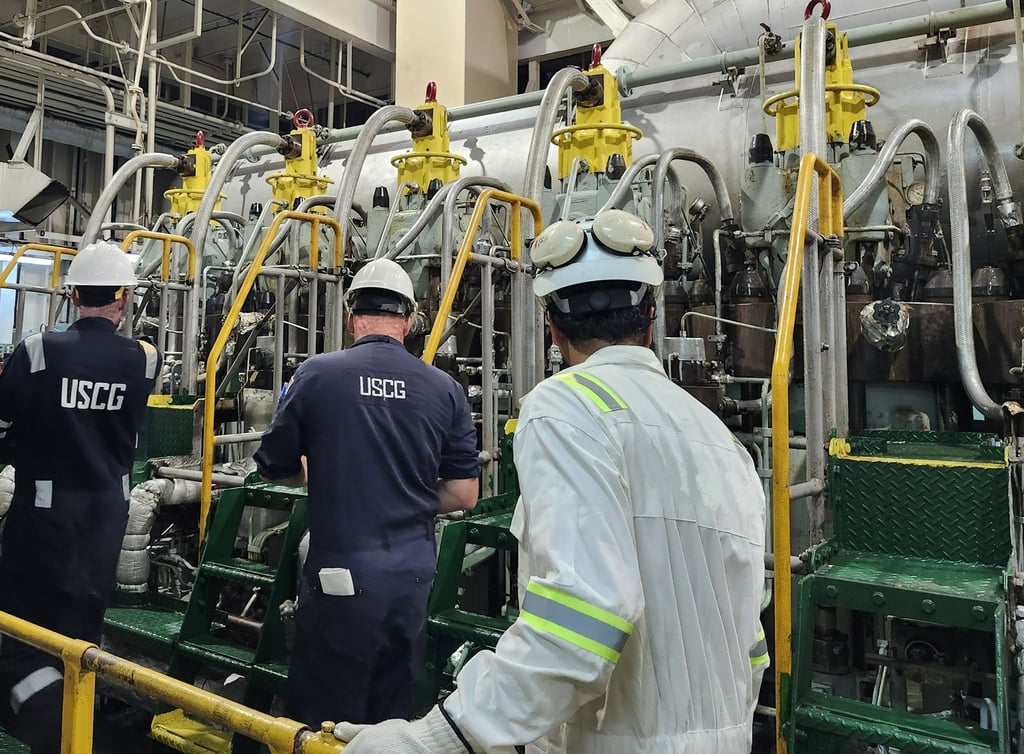
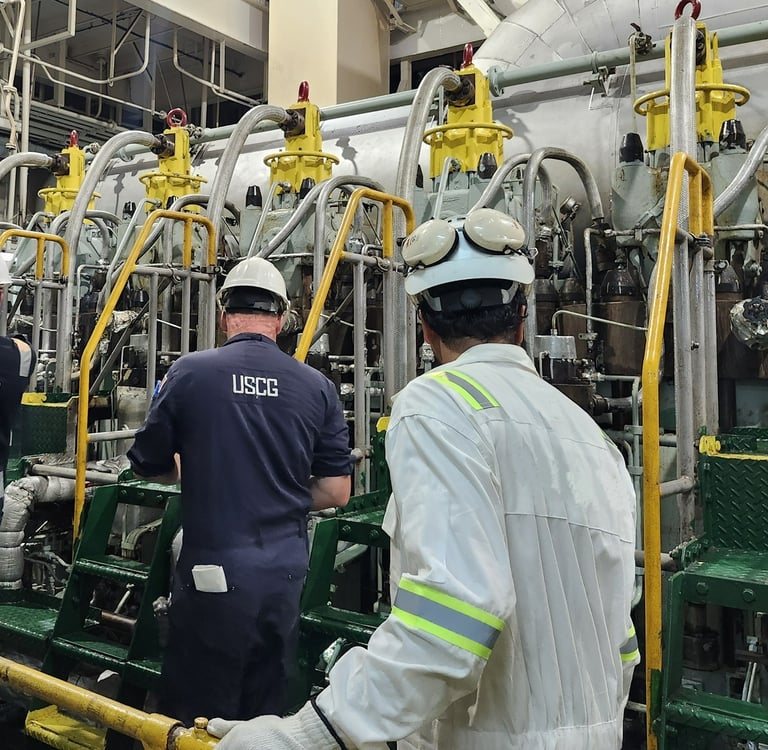
Key deficiencies identified during USCG PSC inspections and how to reduce the risk of detention.
Vessels calling U.S. ports should be prepared for expanded examinations, especially if risk factors such as vessel age, flag performance, or previous deficiencies are present. Understanding the most common USCG PSC findings is essential for avoiding detentions, delays, and costly follow‑up inspections.
Main USCG PSC findings:
1. Fire Safety
Deficiencies related to fire doors and dampers, fire detection systems, fixed and portable firefighting equipment, fire pumps, emergency shut‑downs, fire control plans, and accessibility of CO₂ and foam systems.
2. Life Saving Appliances
Findings involving lifeboats, rescue boats, liferafts, davits, release mechanisms, pyrotechnics, lifejackets, lifebuoys, and operational readiness demonstrated through testing and drills.
3. Safety Management System (ISM Code)
Deficiencies arising from improper implementation of the Safety Management System, including poor maintenance control, ineffective internal audits, inadequate emergency preparedness, weak reporting of non‑conformities, and lack of crew familiarity with SMS procedures.
4. Safety of Navigation
Findings involving charts and publications, passage planning, ECDIS and radar operation, GMDSS equipment, compasses, BNWAS, voyage documentation, and bridge team competence during questioning and demonstrations.
5. Emergency System and Emergency Source of Power
Issues with emergency generators, emergency lighting, transitional power sources, emergency fire pumps, steering gear emergency operation, and crew ability to demonstrate emergency response procedures.
6. Propulsion and Auxiliary Machinery
Operational condition of main engines, auxiliary engines, gauges, alarms, emergency control stations, and quick‑closing valves. Visible leaks, inoperative alarms, or inability to demonstrate emergency operation
7. Ship Security (ISPS Code)
Deficiencies involving Ship Security Plans, access control, gangway watch, security equipment, drills, records of security activities, and crew awareness of security levels and responsibilities.
Get Started Today
By combining hands‑on survey experience with regulatory expertise, Consult Maritime assists ship managers by carrying out pre-USCG inspections to strengthening compliance, improving onboard standards, and reducing PSC findings before they lead to delays or detention.
© 2026 Consult Maritime LLC. All Rights Reserved Privacy Policy | Terms & Conditions | ISO Certification
CONSULT MARITIME LLC
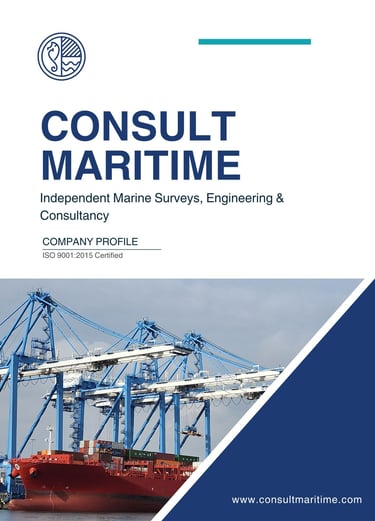
Download our brochure
Consult Maritime LLC provides independent marine surveying, vessel inspections, cargo surveys, marine compliance audits, asset integrity assessments, UTM services, UWILD inspections, marine casualty investigations, and expert witness services throughout major U.S. ports including New York, Newark, Baltimore, Norfolk, Houston, New Orleans, Charleston, Savannah, Miami, and Tampa.
CONTACT
50 Harrison Street, Suite 479
Hoboken, NJ 07030
USA
T: +1 (862) 372-7449 (24/7)
E: mail@consultmaritime.com